


- JR+宿泊
- 飛行機+宿泊
- ホテル・旅館
※
※
名
※
- 行き
-
※※※
- 帰り
-
※※
- 人数
-
- 大人
- こどもA(6~11歳)
- こどもB(3~5歳)
- 部屋数
キーワードから探す
※
※
泊
※
名
※
- 海外ツアー
- 海外航空券+宿泊




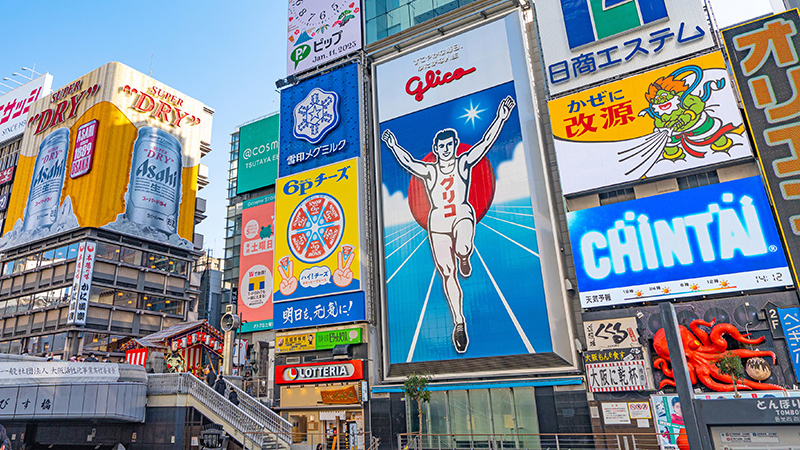
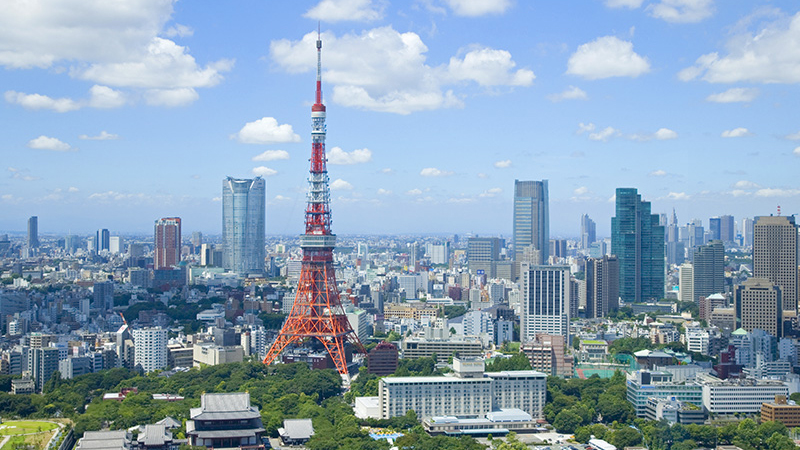
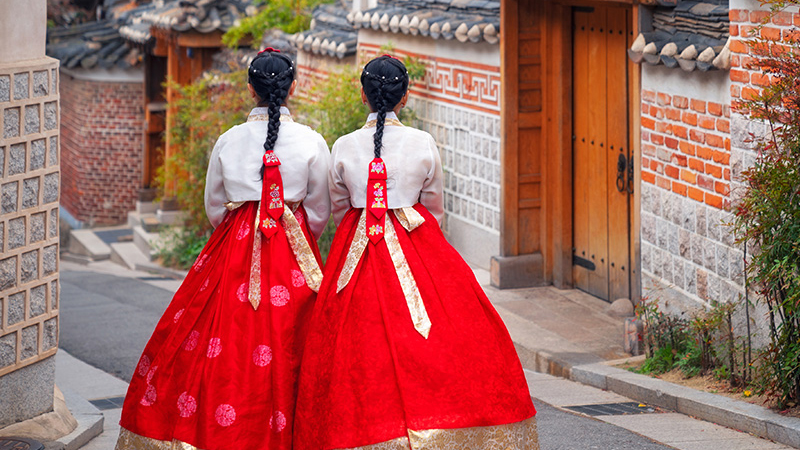
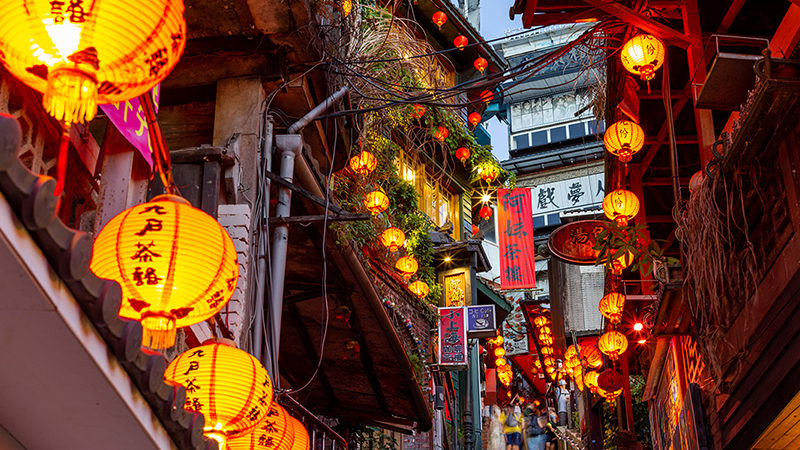
人気のホテル・旅館
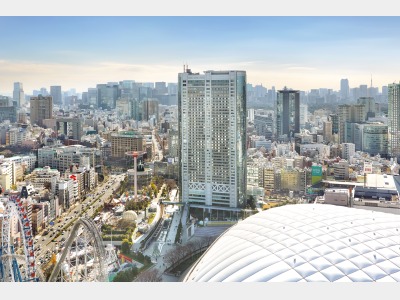
 東京都>水道橋・本郷
東京ドームホテル
- 12,200円〜25,800円
- 宿泊
- 新幹線+宿泊飛行機+宿泊
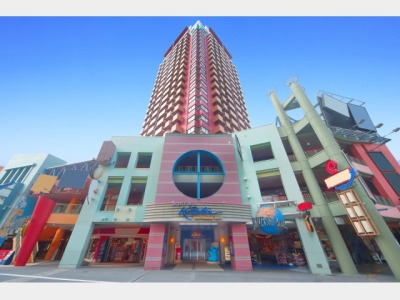
- 大阪府>ユニバーサルシティ
ホテル近鉄ユニバーサル・シティ
- 7,700円〜31,200円
- 宿泊
- 新幹線+宿泊飛行機+宿泊
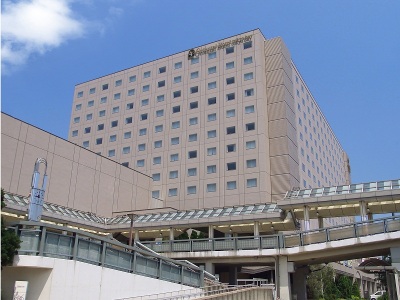
- 千葉県>新浦安
オリエンタルホテル東京ベイ
- 6,500円〜35,800円
- 宿泊
- 新幹線+宿泊飛行機+宿泊
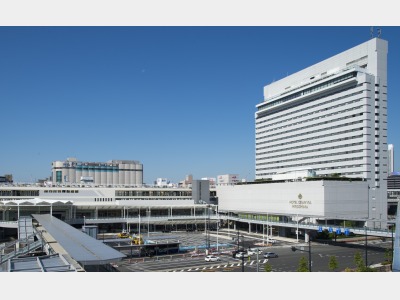
- 広島県>広島
ホテルグランヴィア広島
- 5,200円〜34,400円
- 宿泊
- 新幹線+宿泊飛行機+宿泊
- 神奈川県>強羅
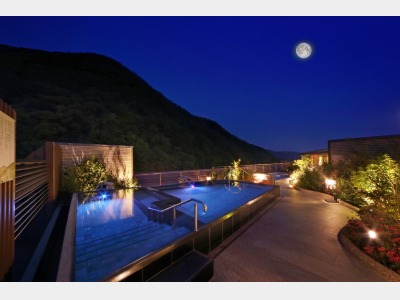
箱根強羅温泉 季の湯 雪月花
- 20,100円〜39,300円
- 宿泊
- 新幹線+宿泊飛行機+宿泊
- 大分県>別府(観海寺)
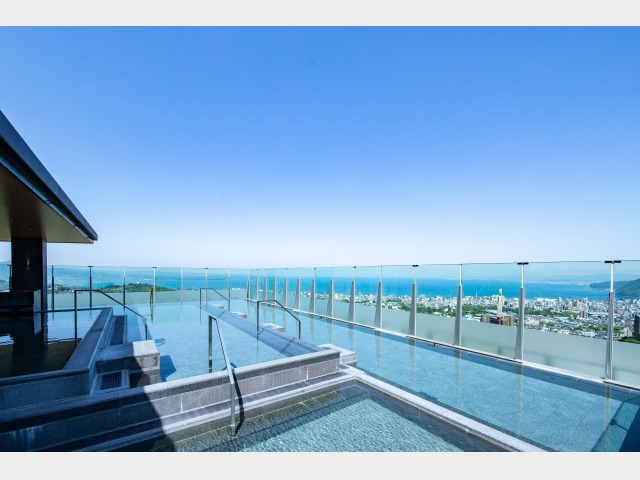
別府温泉 杉乃井ホテル
- 32,900円〜62,900円
- 宿泊
- 新幹線+宿泊飛行機+宿泊
- 栃木県>鬼怒川
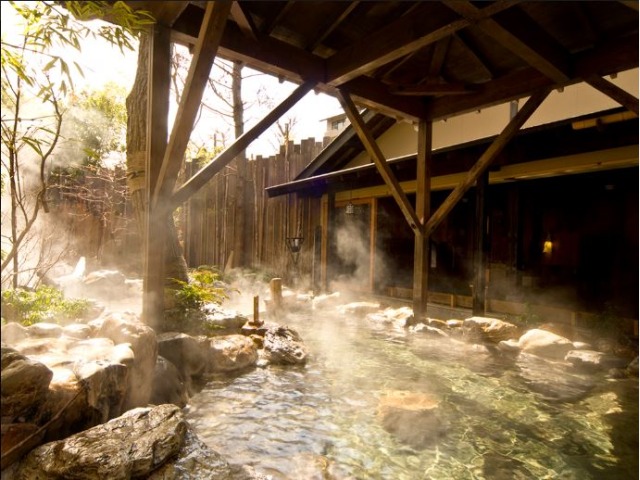
あさや
- 17,100円〜44,500円
- 宿泊
- JR+宿泊
- 沖縄県>北谷町
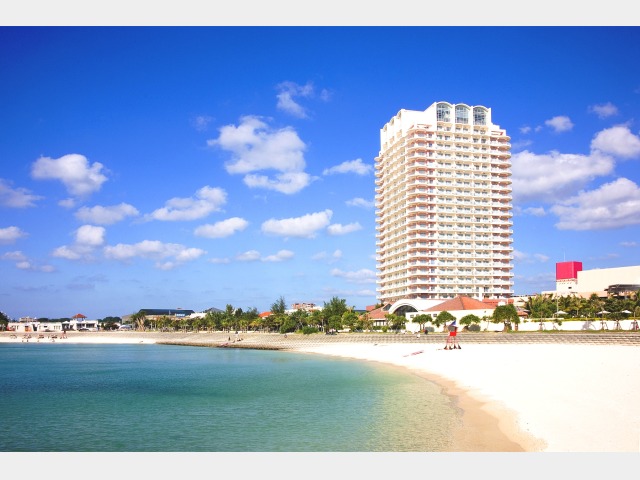
ザ・ビーチタワー沖縄
- 10,900円〜36,800円
- 宿泊
- 飛行機+宿泊
- 愛知県>名古屋駅周辺
相鉄フレッサイン 名古屋駅桜通口
- 4,000円〜7,300円
- 宿泊
- 新幹線+宿泊飛行機+宿泊
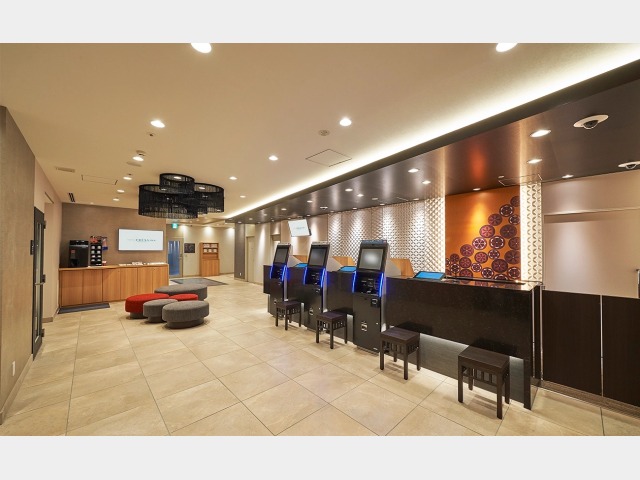
※上記旅行代金は、 2024年04月20日 08時00分時点の一例です。
お得情報

あなたにおすすめの国内特集
-
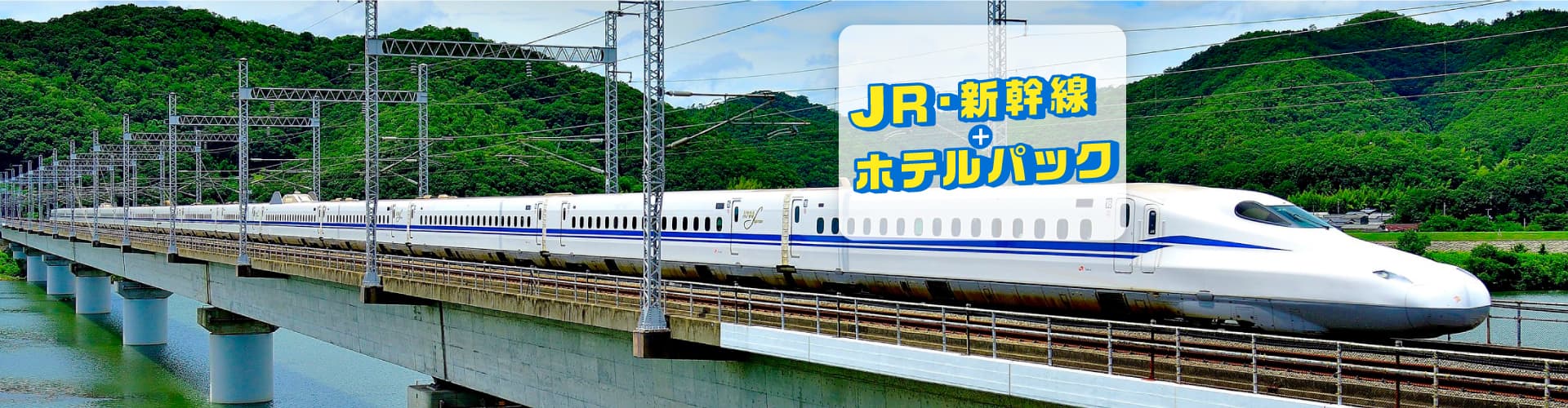
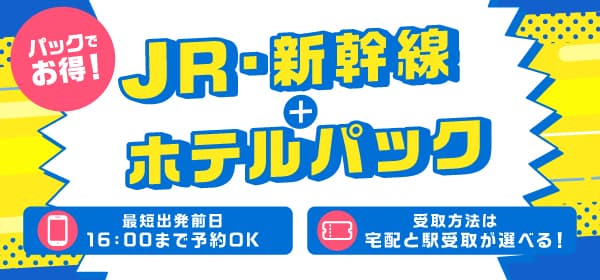
- JR・新幹線+宿泊プラン
- 新幹線と宿泊をセットで予約するとお得!
-
- 売りつくしスペシャル
- 売り切れ御免!全国の売りつくしプランを一挙公開!
-
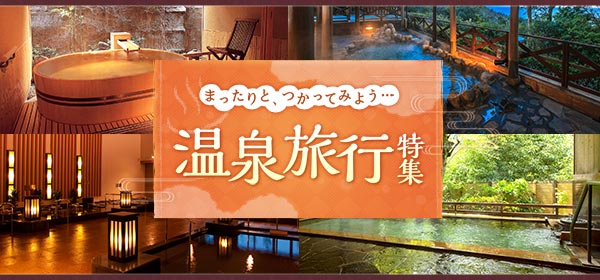
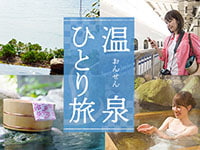
- 温泉特集
- 全国の温泉が探せる!こだわり条件で探せる、旅行プラン。
-
- ビジネス出張パック
- JR・新幹線または飛行機と宿泊がセットになった出張パックまでご用意

あなたにおすすめの海外特集
-
- 格安海外航空券ホテル
- 人気ホテルから格安航空券までお得な旅行が満載!
-
- 海外WEBコレクション
- ネット限定だからこの価格!お買い得~こだわりまで多方面展開!
-
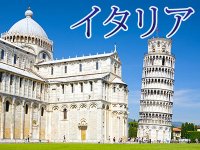
- イタリア特集
- 歴史が薫る町並み!ピックアップ情報満載のイタリアツアー!
-
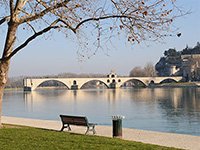
- フランス特集
- 歴史の香り漂う、豪華絢爛な国・フランスへの旅。

人気の特集
-
- ユニバーサル・スタジオ・ジャパンへの旅
- ワールドクラスのエンターテインメントを集めたテーマパークへ!
-
- 東京ディズニーリゾート®への旅
- 交通もセットになったツアーが便利!イベント情報も掲載中!
-
- 温泉特集
- 全国の温泉が探せる!こだわり条件で探せる、旅行プラン。
-
- 日帰りJRツアー
- 便利でお得な日帰りJRプランをご紹介します。



人気の特集
-
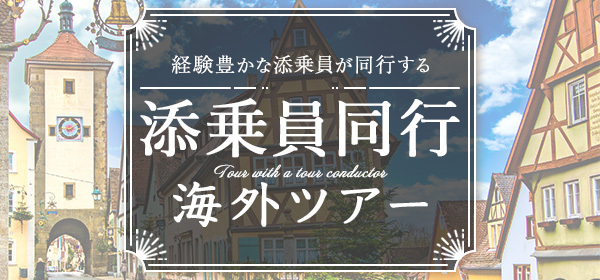
- 添乗員同行ツアー
- 初めての海外旅行の方もリピーターの方でも安心・安全にご旅行が楽しめます。
-
- 海外ダイナミックパッケージ
- おすすめ航空会社やホテル、部屋カテゴリーからお選びただけます!
-
- 格安海外航空券ホテル
- 人気ホテルから格安航空券までお得な旅行が満載!
-
- 海外ホテル新着セール
- 三ツ星ランク以上の人気海外ホテル新着セール!



ピックアップ
-
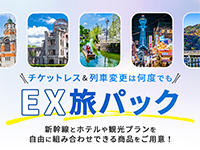
- EX会員限定 EX旅パック
- チケットレスで列車変更が何度でも可能な新サービスがスタート!
-
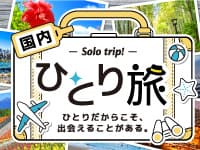
- ひとり旅
- 一人旅(ひとり旅)におすすめの旅行特集
-
- 赤い風船
- 創業110余年の日本旅行がおすすめする旅のプランをご紹介します
-
- 大阪・関西万博
- 2025年大阪・関西万博前売りチケット販売開始!



ピックアップ
-
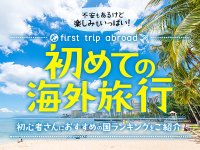
- 初めての海外旅行特集
- 海外旅行初心者さんにおすすめの国ランキングをご紹介♪
-
- ひとり旅
- 女性にも男性にもおすすめな一人旅をご紹介いたします
-
- 海外家族旅行特集
- 子連れ・家族で行く!海外旅行・ツアー特集
-
- 添乗員同行ツアー
- 初めての海外旅行の方もリピーターの方でも安心・安全にご旅行が楽しめます。

その他特集から探す
シーズン
-
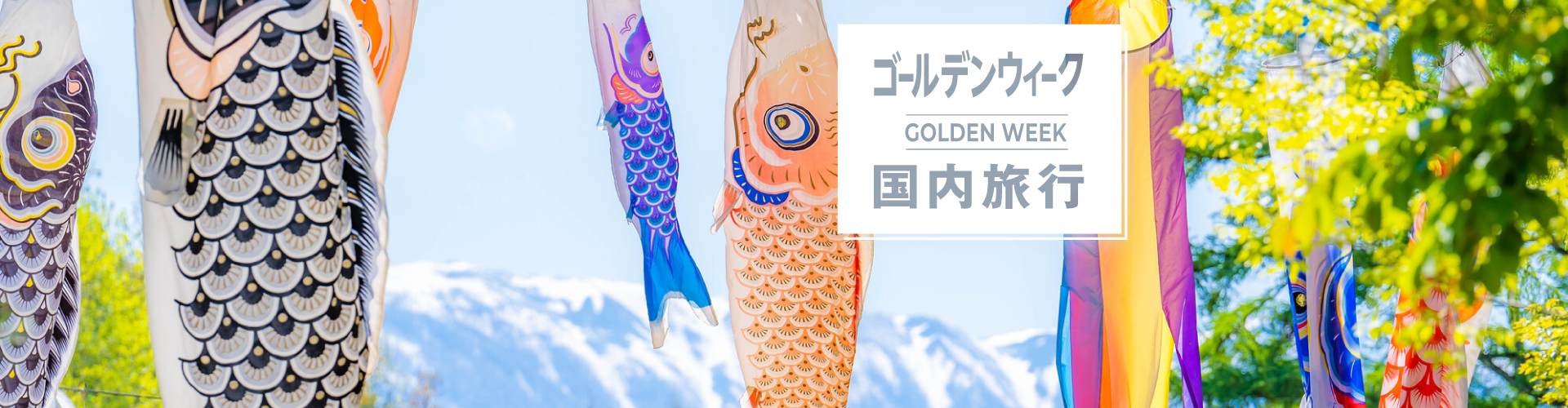
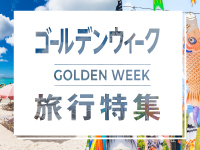
- ゴールデンウィーク特集
- ゴールデンウィークの旅行を探すなら日本旅行にお任せ!
-
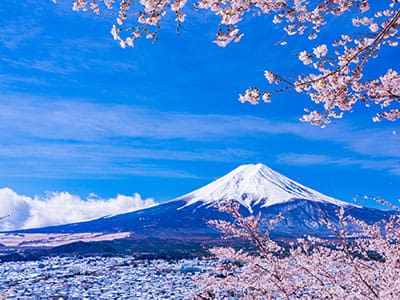
- 桜めぐり
- 今年の春は桜の名所へ!
-
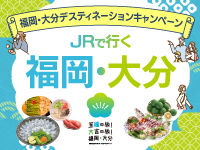
- 福岡大分DC
- 福岡・大分デスティネーションキャンペーン
-
- 春におすすめ国内旅行特集
- 春におすすめの国内旅行・ツアー特集♪
-
新幹線・JRセットプラン
-
- JR・新幹線+宿泊プラン
- 新幹線と宿泊をセットで予約するとお得!
-
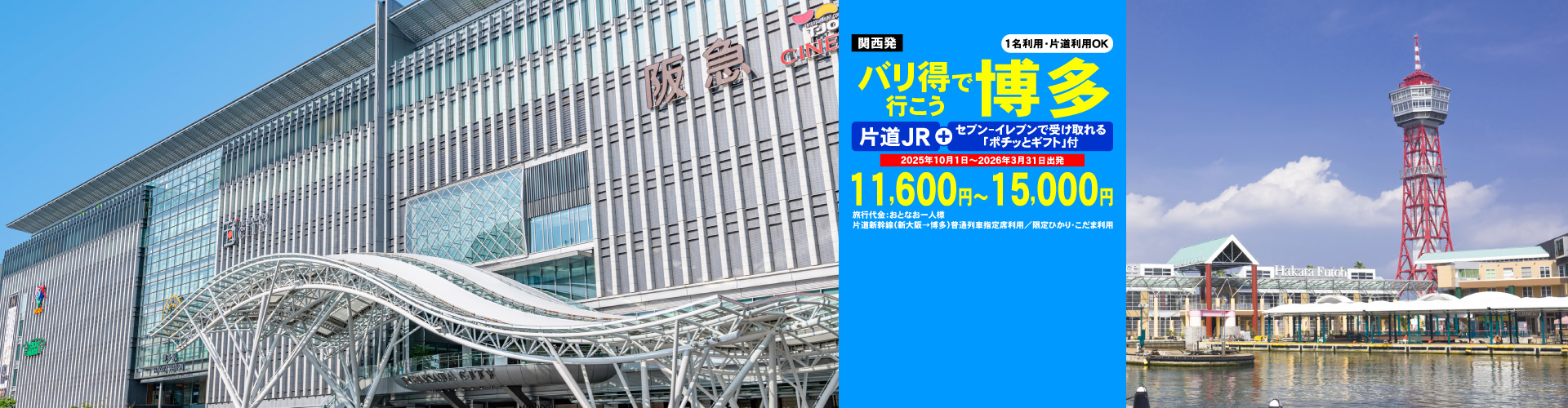
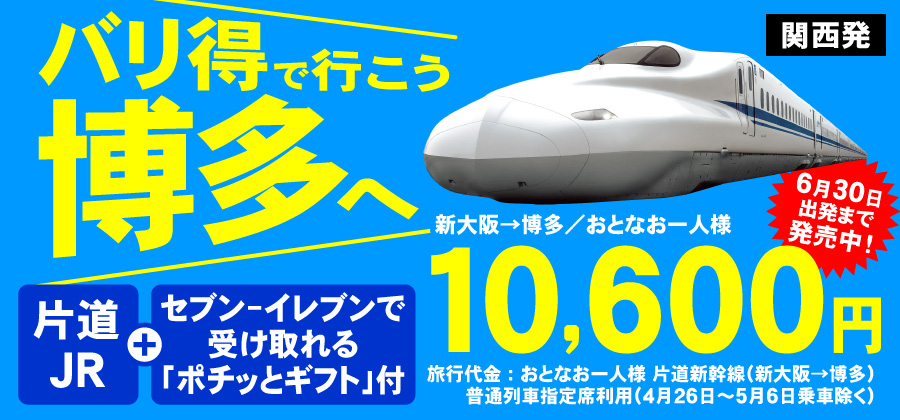
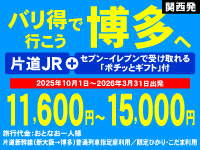
- バリ得こだま
- バリ得こだまで、おトクなJRの旅に出よう!
-
- JRおすすめの旅
- JR・新幹線で行くおすすめの旅をご紹介します。
-
- ずらし旅は新幹線!
- ちょっとずらして旅を楽しもう!
-
温泉
-
- 温泉特集
- 日本全国から温泉を探して旅に出よう。
-
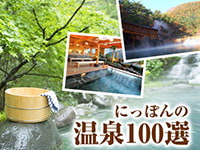
- にっぽんの温泉100選
- 人気の温泉ランキングを大公開!アノ温泉が1位に!!
-
- カップル温泉旅行
- カップルにおすすめの温泉宿とプランをご紹介します♪
-
- おこもり旅
- ゆっくりくつろげる宿を集めました。
-
テーマパーク
-
- テーマパーク特集
- 全国のテーマパークで遊ぶのに便利なプランをご紹介!
-
- 東京ディズニーリゾート®への旅
- イベント情報や各地発の交通セットプランなど掲載中!
-
- USJへの旅
- ワールドクラスのエンターテインメントを集めたテーマパークへ!
-
- ハウステンボスへの旅
- 緑と水があふれるハウステンボスへ行こう!
-
セール・キャンペーン
-
- お得まとめ
- 日本旅行のお得をまとめました!
-
- 善は急げ~早い者勝ち
- 早めのご予約だからこそのお得なプラン
-
- 直前割
- 直前割なら今週末でも間に合うプランがお得に予約できる!
-
- 売りつくしセール
- インターネット限定のお得なプランを集めました!
-
家族旅行
カップル
女子旅
-
- 女性向け「たびーら」
- 「たびーら」には、旅好き女子のための女子旅プランがたくさん!
-
- JRで女子旅
- 往復のJRと宿泊がセットになったプランでお得に女子旅へ!
-
- 学生×国内女子旅
- 学生に人気の国内女子旅情報が満載♪
-
- 学生×海外女子旅
- 学生人気の女子旅が満載♪
-
大人旅
ひとり旅
学生旅行
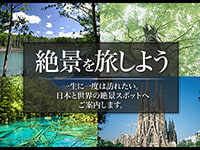
絶景・世界遺産
イベント・日帰り
-
- 日帰りJRツアー
- 便利でお得な日帰りJRプランをご紹介します。
-
- 日帰りツアー
- 日帰りツアーなら、手軽に充実の旅が楽しめる!
-
- イベント会場に便利
- イベント会場にアクセス抜群の宿をご紹介♪
-
- アクティビティ・イベント
- 人気の体験スポットや、イベント情報をご紹介します。
-
出張・フリープラン
-
- ビジネス出張パック
- 出張パックはビジネスや出張にとってもお得!
-
- 出張&ひとり旅
- 出張やひとり旅に便利なJRセットプランをご紹介。
-
- 出張にお勧めホテル!
- ビジネス利用者必見!出張にお勧めホテル特集
-
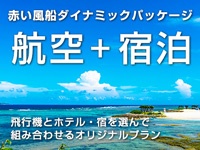
- 航空+宿泊プラン
- 航空と宿泊のセットプラン!沖縄・北海道へ行くならここをチェック!
-
国内旅行特集









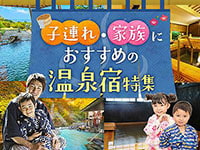
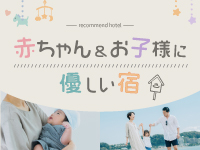

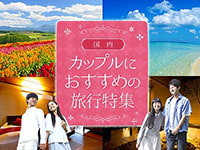
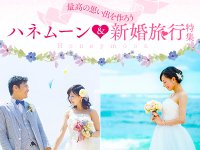



















行先から探す
デジタルパンフレット


日本旅行アプリ
-
-
- アプリからのご予約で1%割引
-


オウンドメディア
-
-
- 旅行に関する情報を発信中